
Why Your Oven Temperature Is Not Accurate (and How to Fix It)

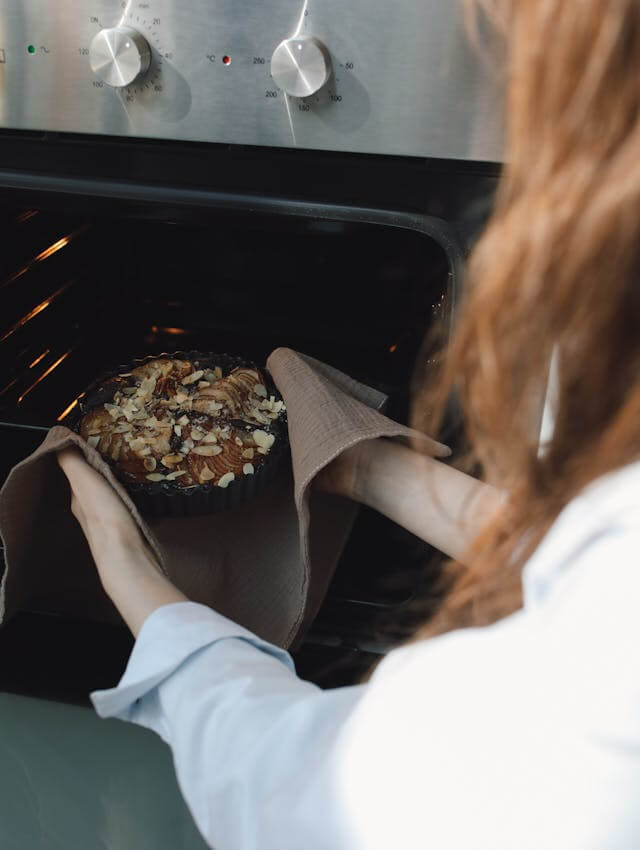
When you set your oven temperature to 220°C, the actual temperature inside the oven doesn’t stay exactly the same. It is normal for home ovens to fluctuate a little, but too much difference can severely affect your baking if the oven is not calibrated properly.
An easy way to check this issue is to use an oven thermometer and then compare it with your set temperature. If you don’t find the readings accurate, you can fix it by adjusting or recalibrating your oven.
For instance, if you have ever tried a pizza recipe correctly but still failed to get the baking result you expected, it could be due to oven temperature issues or other common pizza baking mistakes.
How to Quickly Check If Your Oven Temperature Is Accurate
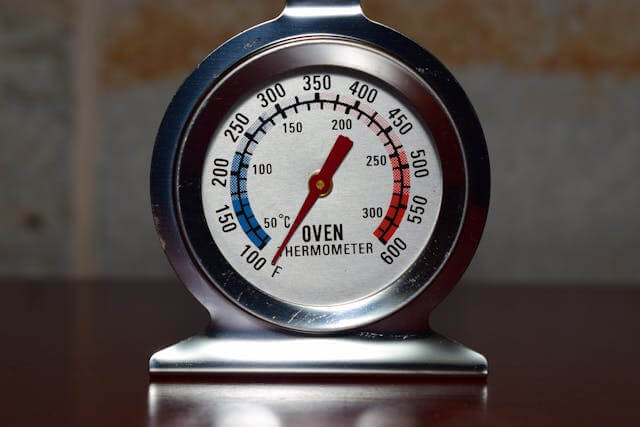
Before fixing anything, check whether there really is an issue with your oven temperature.You can easily do this with these simple tests:
- Use an oven thermometer and place it in the middle rack of the oven.
- Now preheat the oven and wait for around 20-25 minutes.
- Then compare the thermometer reading with your actual set temperature.
So if you find the temperature is consistently too high or too low compared to your actual temperature setting, it might be a calibration issue.
Why Your Oven Temperature Is Not Always Accurate
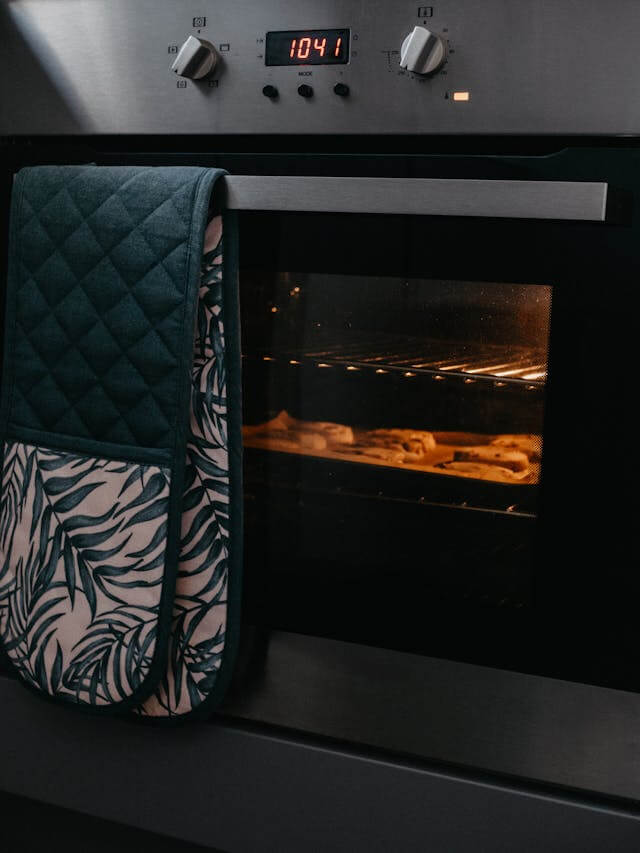
It gets very frustrating when your meals don’t turn out the way you expected, even if your oven shows the correct temperature. It is quite normal for most home ovens, and here are some reasons why it happens.
Thermostat cycling causes temperature fluctuations
It could be a thermostat cycling issue. As we all know, home ovens can’t maintain a fixed temperature. Here’s how it usually works:
- Firstly, the oven goes slightly above your set temperature.
- Then it automatically turns off.
- As a result, the temperature drops suddenly.
- Then, it heats up again.
So you see, because of this cycle, the oven’s temperature doesn’t stay steady and keeps going up and down. It becomes even more obvious when you open the oven door during baking and heat escapes. Now, this is completely normal for a home oven, and it helps maintain the average temperature.
Sensor placement affects temperature accuracy
Most ovens have a small temperature sensor inside that measures the heat and helps maintain the set temperature.
- The thermostat sensor is a thin metal probe and is usually placed on the back or top area inside the oven
- It monitors the heat and helps to maintain the set temperature
However, the sensor is placed in one spot, so the temperature nearby might be accurate, but the other parts of the oven, like the top, bottom, or corners, may still be inaccurate.
How does oven design affect heat distribution?
There are many kinds of ovens we use, like a standard oven, a convection oven, or a gas or electric oven, but they don’t distribute heat inside the same way.
- The heat doesn’t spread evenly from all sides of the oven; it usually comes from certain parts, such as the top and bottom heating elements.
- The convection fan in some ovens only helps move hot air inside the oven, but it does not magically create heat.
- As a result, in certain areas of the oven, the heat doesn’t spread evenly.
You will find some oven spots getting hotter than the others, and this uneven heat distribution causes the food to bake unevenly. It also depends on where you are placing the food. That is why rotating the baking sheet halfway is often recommended in most home ovens.
Set Temperature vs Actual Temperature (How Much Difference Is Normal?)
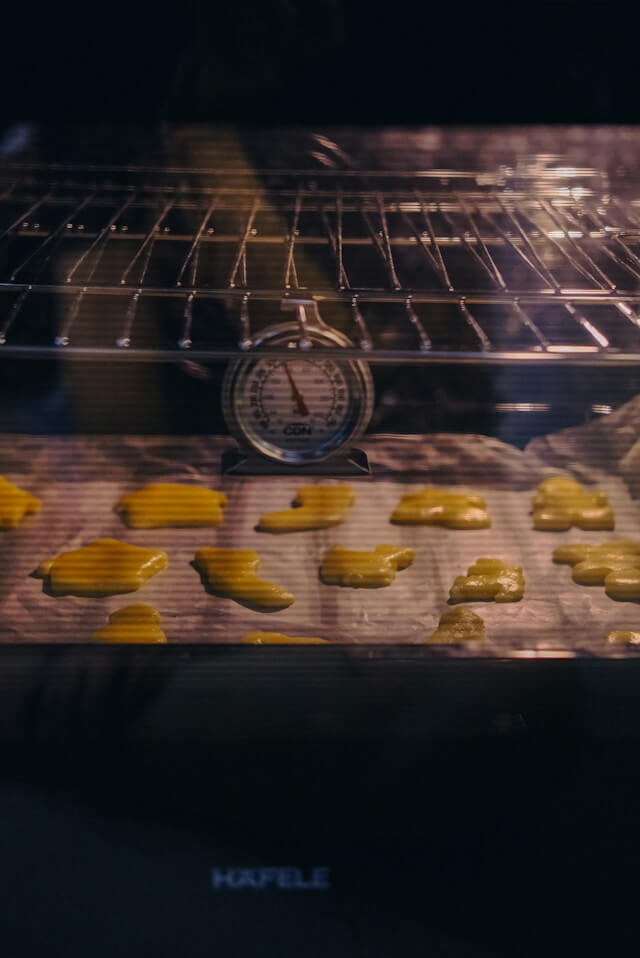
It might be a bit concerning that your home oven can’t maintain that exact temperature, but it is quite normal. The typical home ovens we use can’t maintain a single exact temperature, but some variation is normal.
- If you find your oven temperature is around 10–15°C, it is quite normal in most home ovens.
- But if you notice the temperature consistently exceeding 30°C, it might indicate a problem.
Let’s say you set your oven temperature to 200°C, and if it stays around 185°C or 215°C, that will be considered normal. But being too low or too high outside that range can affect your baking performance.
Common Signs Your Oven Temperature Is Inaccurate
If the temperature is inaccurate, you will likely run into problems with your cooking, even if you are an expert. Here are some common signs you will notice.
- If you are following a recipe that usually takes 20 minutes, but your food is still undercooked and taking much longer than expected.
- You might find that one side cooks faster than the others while baking.
- The outer part is getting cooked too quickly, but the inside still looks raw and soft.
- The bottom of the cookies might burn before the middle part finishes baking properly.
- Cakes may not brown out evenly or stay undercooked in the middle portion.
- Pizza crust hasn’t browned yet while the cheese and the toppings look fully cooked.
In some cases, the issue isn’t just inaccurate readings — your oven may also not be getting hot enough, so it’s worth checking that as well.
Common Causes of Oven Temperature Inaccuracy
Even if you are a skillful cook and use an oven with uneven temperature issues, it can lead to some common cooking problems:
Check your temperature sensor
- If your temperature sensor is damaged, the readings may not be accurate.
- It can lead to inconsistent heating.
Thermostat problems
- The thermostat controls the heating cycle (on/off cycling).
- If it is faulty or broken, the oven cannot maintain an accurate temperature, and it may also struggle to keep the heat steady.
Calibration issues
- Sometimes, due to regular use, your oven might slightly miscalibrate.
- You might find that the oven temperature differs from your set temperature, leading to inaccurate readings.
Door seal issues
- There is a rubber seal around the oven door that helps keep heat from escaping.
- A broken seal allows heat to escape quickly, affecting temperature stability.
How to Fix an Inaccurate Oven Temperature
Now that we have covered the common causes of inaccurate oven temperature, you can still fix these issues.
Check the temperature first
Before making a move, it’s better to check the temperature.
- Place the thermometer on the middle oven rack.
- Then set your oven to your desired temperature.
- Give your oven some time to preheat properly, like at least 20–25 minutes, so that the temperature can stabilize.
- Lastly, compare both temperature readings.
Check the oven thermostat if it’s damaged
The thermostat controls the heating cycle, and if not calibrated correctly, the temperature can’t be accurate.
- Try to recalibrate the oven to see if the temperature gets stable
- Then test the temperature again with a thermometer
- If the temperature is still not accurate, then the thermostat might need repair or replacement.
Recalibrate your oven
If you notice that your oven’s reading consistently exceeds 20–30°C, recalibration might fix the issue.
- Find the temperature calibration setting in your oven (usually called “temperature offset” or “calibration”)
- Then try adjusting the temperature slightly. If you find the temperature in your oven is too low, increase it a bit. And if it goes higher, decrease it.
- You might also find a knob in your oven that lets you adjust the temperature.
- Try testing the temperature again with the thermometer to confirm the oven’s accuracy.
Fix the door seal (gasket)
If your oven has a damaged seal, heat can escape through the oven door, severely affecting your cooking and heating performance.
- First, check the seal around the oven for cracks or gaps.
- Then clean the seal and edges with a damp cloth, and wipe out any debris or grease.
- If you find the seal is damaged somehow, replace it with a new one immediately
- When you install a new seal, make sure it sits tight along the entire edge of the oven door.
Replacing most oven door seals is quite easy, and it doesn’t require any professional help.
When do you know that You Should Repair or Replace Your Oven
Big temperature difference: Even after proper calibration, your oven is still showing inconsistent temperatures of 25–30 °C or more.
Repeated issues even after fixing: If you are facing the same problem over and over again after frequent fixes.
Unstable temperature during cooking: If the temperature fluctuates too much, it can cause problems.
It is still a good idea to find a professional technician first to inspect the oven and determine whether it needs a repair or replacement. If the appliance is older, like around 2 decades, a new oven would be a better option. Older ovens can gradually lose calibration accuracy over years of heating cycles and regular use.
